From Crunchyroll to Crystal Pulls: How Anime Fandom Turned American Gamers Into Gacha's Most Loyal Spenders
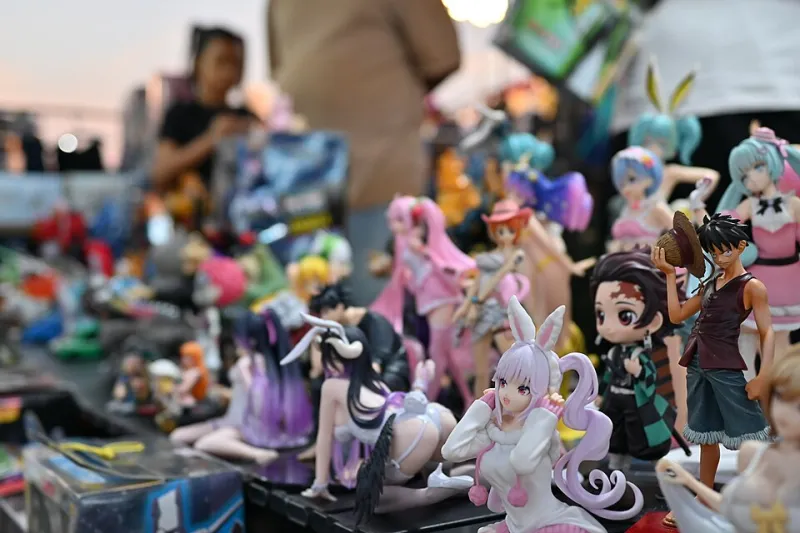
Photo: PattayaPatrol, CC BY-SA 4.0, via Wikimedia Commons
There's a moment every gacha player knows. You've been saving your primogems, your orbs, your whatever-the-game-calls-them for weeks. The banner drops featuring a character you've loved since you first watched the show. Your hands hover over the screen. You pull.
For millions of American anime fans, that moment didn't feel foreign at all. It felt like coming home.
The pipeline from anime fandom to gacha spending isn't a coincidence — it's a masterclass in audience alignment. Developers from Tokyo to Seoul identified a community already primed for the exact psychological loop that gacha games run on, and they built billion-dollar franchises around it.
The Collector's Mindset Was Already There
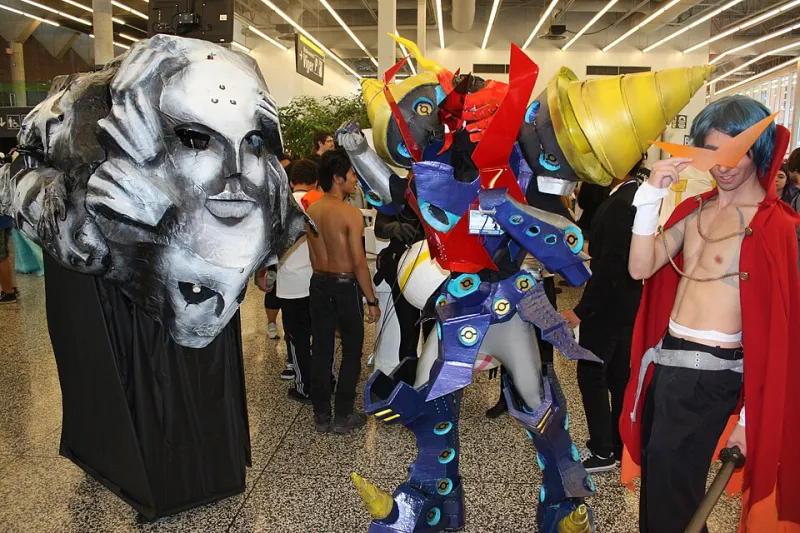
Long before Genshin Impact launched in 2020, American anime fans were already deep in the collecting game. Funko Pops lined bedroom shelves. Pokémon binders sat next to shonen manga volumes. Convention floors were packed with people dropping serious cash on limited-edition figures of characters they'd never meet in real life.
This isn't a small subculture anymore. Anime viewership in the United States has exploded over the past decade, with Crunchyroll reporting over 13 million paid subscribers as of recent years. The average American anime fan skews young, digitally native, and — critically — already comfortable spending money on fictional characters they feel emotionally connected to.
Gacha games didn't invent that behavior. They just digitized it.
"I used to spend way too much on blind box figures," says Marcus, a 27-year-old from Atlanta who now plays Fate/Grand Order and Arknights. "When I found gacha games, it honestly felt like the same thing but in my pocket. The dopamine hit is identical."
That connection isn't incidental. The blind box figure market — where you pay a flat price without knowing which character you'll receive — is essentially physical gacha. Both systems exploit the same tension between desire and uncertainty. Anime fans had already been trained to tolerate, even enjoy, that uncertainty for years.
Anime Aesthetics as a Trust Signal
When Fire Emblem Heroes launched in the US in 2017, Nintendo wasn't just porting a strategy game to mobile. They were speaking a visual language that a specific audience already loved. The character art, the dramatic battle animations, the elaborate unit designs — these weren't just pretty pictures. They were credibility markers.
For an American player who grew up watching Sword Art Online or playing JRPGs on their DS, anime-style character design communicates something immediate: this was made for people like me. That aesthetic shorthand does enormous trust-building work before a single dollar is spent.
Genshin Impact understood this better than almost anyone. By blending anime aesthetics with open-world exploration, miHoYo created something that felt simultaneously familiar to anime fans and fresh to Western gamers who'd never touched a gacha title. The result was a cultural juggernaut that reportedly generated over $4 billion in its first two years, with the US consistently ranking among its top revenue markets.
Character design is doing heavy lifting here that's easy to underestimate. When players form genuine emotional attachments to characters — their backstories, their voice lines, their aesthetic — they're not just buying power or stats. They're buying a relationship. And anime fans, more than almost any other gaming demographic, are practiced at forming those attachments.
The IP Pipeline: When Existing Love Becomes New Revenue
Some of the smartest moves in gacha history have been the straight adaptations of beloved anime properties. Games like Dragon Ball Legends, Naruto: Slugfest, and One Piece Treasure Cruise didn't need to build emotional investment from scratch — they borrowed it wholesale from decades of storytelling.
For an American fan who cried during the Marineford arc or memorized every Kamehameha variation, a gacha banner featuring those exact characters isn't a cold transaction. It's a reunion. The emotional stakes are already loaded before the game even boots up.
This creates a spending pattern that's distinct from other gaming demographics. Research on gacha player behavior consistently shows that character affinity — how much a player likes a specific unit — is one of the strongest predictors of whether they'll spend on that banner, sometimes overriding even competitive necessity. Anime fans, with their deep pre-existing attachments, are uniquely susceptible to this effect.
"I don't even really play the game that hard," admits Priya, a 24-year-old from Houston who spends on Fate/Grand Order. "I just want my favorite Servants. It's basically a digital figure collection at this point."
She's not wrong — and developers know it.
The Community Amplifier
Anime fandom has always been loud online. Reddit threads, Discord servers, Twitter fan accounts, YouTube reaction videos — the community infrastructure for discussing, debating, and obsessing over anime content was already massive and well-organized when gacha games arrived.
That existing infrastructure became a free marketing engine. When a new banner drops in Genshin Impact, the discourse doesn't stay inside the game. It floods every anime-adjacent space online. Fan art gets made within hours. Tier lists get debated with the same intensity as shonen power scaling arguments. The community does the work that advertising budgets would otherwise need to cover.
This organic amplification loop also normalizes spending in ways that traditional advertising can't replicate. When a trusted voice in your Discord server talks about pulling on a banner, it carries more weight than any banner ad. The social proof effect within tightly-knit anime communities is a genuine revenue driver that's difficult to quantify but impossible to ignore.
What This Means for Players
Understanding this pipeline isn't about feeling manipulated — it's about playing smarter. The emotional connection you feel toward a character is real, but recognizing that it's being deliberately engineered gives you more agency over your decisions.
The best gacha players in the US anime community have found a balance: they engage with the characters and stories they love while building systems around their spending. Setting monthly budgets, identifying which pulls are emotionally-driven versus strategically valuable, and using the community to evaluate banners before committing are all skills that develop over time.
The intersection of anime fandom and gacha gaming isn't going anywhere. If anything, it's deepening — new anime adaptations are launching gacha tie-ins faster than ever, and the audience keeps growing. The players who thrive are the ones who understand exactly why they love what they love, and make peace with spending accordingly.
Or, you know, roll on the free pulls and hope the gacha gods are watching.
Japan Gacha Lab covers the intersection of Japanese gaming culture and the global player community. Roll deep, collect everything, level up.