Collab or Trap? How to Build a Pull Strategy Around Limited Crossover Events Without Losing Your Mind (or Your Gems)
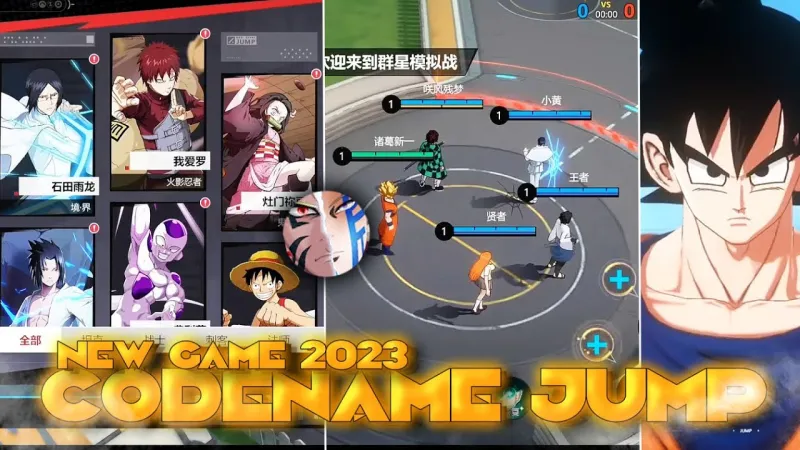
Photo: anime crossover collaboration mobile game characters limited edition banner, via i.ytimg.com
Every few months, your favorite gacha game drops a collaboration announcement and the entire community loses it. Demon Slayer characters in your RPG. Hatsune Miku showing up in a card battler. A Chainsaw Man crossover nobody asked for but somehow everyone needs. The excitement is real, the art is incredible, and the FOMO kicks in almost immediately.
But here's the thing: limited collabs are also the single most effective money-extraction tool in the modern gacha ecosystem. Developers know exactly what they're doing when they slot a beloved IP into a timed banner. The question isn't whether you should pull — it's whether you're pulling smart or just reacting to hype.
Let's break this down.
Why Collabs Have Become the Engine of Gacha Monetization
Go back five years and limited banners were mostly reserved for seasonal events — holiday versions of existing characters, anniversary units, that kind of thing. Today, the landscape looks completely different. Major titles like Genshin Impact, Blue Archive, Fate/Grand Order, and Honkai: Star Rail have all leaned hard into third-party IP crossovers as a core part of their release calendar.
And the reason is pretty simple: collab characters hit differently emotionally. You're not just pulling for a strong unit — you're pulling for a version of a character you already love from another franchise. That emotional connection bypasses a lot of the rational calculus players normally apply to banner decisions.
Developers also know that collab licenses are temporary. When the rights deal expires, those characters go into a vault that may never reopen. That manufactured scarcity is incredibly powerful, and it's deliberately baked into the marketing language around every crossover event.
The Three Types of Collab Banners (And How to Read Each One)
Not all collabs are built the same. Once you start categorizing them, your decision-making gets a lot cleaner.
The Prestige Collab — This is a massive IP with huge mainstream recognition. Think Dragon Ball, Evangelion, or a major Shonen Jump property. These tend to have the highest production value, the most marketing push, and the steepest gem costs. They also tend to attract the most casual spenders, which means the community hype can be misleading. Ask yourself: do you actually use this character type in your current roster, or are you just excited about the IP?
The Niche Passion Collab — A mid-tier anime or game that has a deeply dedicated fanbase but isn't mainstream. These are actually the most dangerous for hardcore fans because the emotional pull is so personal. If Dungeon Meshi or Vinland Saga suddenly shows up in your gacha of choice, your critical thinking goes out the window fast. Budget accordingly before the announcement, not during it.
The Functional Collab — Occasionally a crossover character is genuinely broken in the meta. They're strong enough that even players who don't care about the IP want them. These are actually the easiest calls — if the character fits your team comp and the rates are reasonable, it's worth considering purely on gameplay merit.
FOMO Is a Feature, Not a Bug
Here's something worth sitting with: the anxiety you feel when a collab drops is intentional. It's designed into the experience. Limited availability windows, countdown timers, community posts showing off new pulls — all of it is engineered to create urgency.
The most effective counter to FOMO isn't willpower. It's preparation. Players who manage collab seasons well almost always do one thing consistently: they treat the gacha calendar like a financial calendar.
Most major gacha games have predictable collab patterns. FGO tends to run licensed events at specific points in its anniversary cycle. Games tied to anime simulcasts often drop crossovers around season finales. If you follow a game's community on Reddit, Discord, or dedicated wikis, you'll often see speculation about upcoming collabs weeks or months in advance based on datamining or developer partnerships.
Use that intel. If there's a 70% chance your game is getting a Jujutsu Kaisen collab in Q3, you don't blow your gem reserve on a mid-tier story banner in June.
Building a Sustainable Pull Plan Around Collabs
Here's a practical framework that actually holds up over a full game year:
Step 1: Define your must-pulls at the start of each quarter. Not every collab is a must-pull. Pick a maximum of two or three IPs per year that you'd genuinely regret missing. Everything else is optional.
Step 2: Assign a gem floor to each tier. For a true must-pull, you want to enter the banner with enough currency to hit soft pity at minimum. For a 'nice to have' collab, set a hard cap — say, one multi-roll — and walk away regardless of outcome.
Step 3: Account for the rerun question. Some games never rerun collab banners. Others do it annually. Know which category your game falls into before you panic-pull. If there's a solid historical precedent for reruns, the FOMO calculation changes entirely.
Step 4: Separate collector goals from gameplay goals. If you're pulling because a character is meta-relevant, that's one decision. If you're pulling because you want to complete your roster of Your Name characters, that's a different decision — and it's fine to make it, as long as you're honest about which one you're actually making.
The Collector's Trap, Explained
One pattern that burns a lot of players: treating every collab like it's equally important because they're all limited. This is the collector's trap, and it's brutal on gem reserves.
The math doesn't lie. If you chase every limited banner across a full game year, you'll spend more than most gacha budgets can sustain — even free-to-play ones. The players who maintain deep, competitive rosters tend to be ruthlessly selective. They let collabs pass all the time. They've made peace with missing things.
That peace is actually a competitive advantage. When your real must-pull arrives, you have the resources to chase it properly instead of crawling in with 30 gems and hoping for miracle rates.
Final Take
Collabs aren't going anywhere. If anything, they're becoming more central to how gacha games stay relevant in a crowded mobile market. That's not inherently bad — some of the most creative character designs and story content in the genre come out of these partnerships.
But the players who thrive long-term are the ones who treat collab season like a strategy challenge, not a shopping spree. Know your priorities, build your reserves, and let the hype wash over you without sweeping you away. Your future self — and your gem count — will thank you.