Booth Bingo: A First-Timer's Field Guide to Convention Gacha Booths
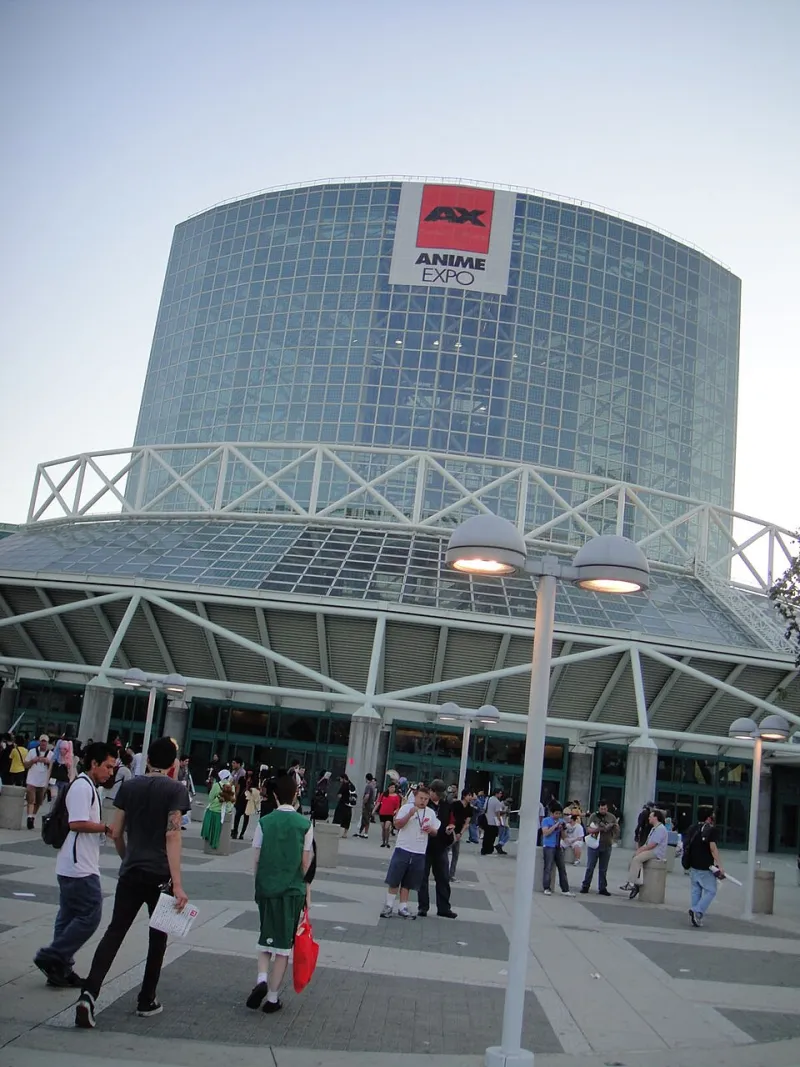
Photo: The Conmunity - Pop Culture Geek from Los Angeles, CA, USA, CC BY 2.0, via Wikimedia Commons
The first time you walk into a convention hall and see a gacha publisher's booth, it looks like a carnival. The second time, it looks like a logistics problem. This guide is for the gap between those two visits.
1. Read the Booth Before You Join the Line
Stand still for sixty seconds and look at what the booth is doing. There is usually more than one queue: one for merch purchasing, one for the demo station, one for a photo op, and one for the stage event that starts in twenty minutes. They often snake past each other and share no rope.
Find the booth map on the show's app, check the stage schedule, and ask a staffer which line is which. The person in front of you probably does not know either, and following them is how first-timers spend two hours in the wrong queue.
2. The Demo Line Is an Advertisement, and That Is Fine
Demo stations exist to sell you on a game you may already play. Accept the trade: you give them fifteen minutes of attention, they give you a code card or a pin.
A few ground rules that keep you on the right side of the staff.
- Move it along. Two or three pulls is plenty. Nobody needs you to reroll the demo account.
- Do not sign into your own account on an event device. Ever. The device is shared and you do not know where it has been.
- Ask for the luck pull. Having a staffer press the button for you is half the fun of these booths and most of them enjoy it. That is a legitimate reason to be there.
- Hand the device back. Do not pocket it, do not turn away with it, do not photograph the screen if staff have asked people not to.
3. Promo Code Cards Have Rules, and They Bite
That little card with the QR code is the most valuable thing at the booth and the most commonly misused.
Most cards are one per person, tied to a specific server or region, and expire within a window that is often measured in weeks, not months. A code printed in Japanese may or may not work on your global account. Some publishers issue separate stacks for separate regions, and staff will ask which server you play on.
Rules that keep you from looking like a reseller: take one card, do not photograph another person's card to send to a friend unless staff explicitly allow it, and redeem the code the same night. A code card in a tote bag for three months is a code card you will find expired in a drawer.
4. Ask Before You Photograph Anything
Standard convention rules apply at gacha booths, with a twist.
Ask before photographing cosplayers, and ask again if you want a posed shot. Do not photograph booth displays marked with a no-photo sign, which is common for unreleased character art and merchandise prototypes. Do not film over a staffer's shoulder while they work a terminal, and do not post photos that show another attendee's account information on a demo screen.
If there is a photo op with a mascot or a character standee, there is usually a staffer whose entire job is helping you take it. Let them. They know the angles.
5. Set a Swag Budget Before the Doors Open
Pick a number and write it on your phone lock screen. Convention merch is priced like concert merch, and the exclusive items sell out on day one while the common ones will still be there on Sunday at a discount.
Also do the tote bag math. Anything you buy has to survive three hours on your shoulder, a train, and a flight. Check whether the venue has bag check, and remember that a poster tube is its own carry-on problem. If you are flying, buy the flat stuff and let the big plushie go.
Free swag has a budget too, and it is measured in shoulder pain. Paper fans, flyers, and sticker sheets seem weightless until the third bag.
6. How to Tell a Worthwhile Booth From a Branded Time Sink
Some booths are there to sell you the game. Others are there to collect your email and give you a sticker. Both are allowed to exist, but only one is worth forty minutes of your day.
Signs you found a good one: staff who actually know the game and can talk about the current banner, a playable demo with a real build, English-language support information, and a stage schedule with something happening on it.
Signs you found a time sink: a ninety-minute line for a single sticker, a sign-up form with no clear reward, staff who deflect every question to a landing page, and a spinning wheel where every slot is the same prize. The freebie quality test is simple. If the item in the bag is something you would throw away while still inside the hall, you can walk on by.
7. Work the Quiet Booths Too
The big publisher floor is the loudest part of the convention and rarely the best part. Import merchandise sellers, secondhand figure vendors, indie studios showing a prototype, and the arcade or prize machine area are where the good stories come from. Also, they are where you can actually talk to someone for five minutes.
8. The End-of-Day Checklist
Before you leave, redeem every code card you collected. Back up your photos. Count your cards and make sure none are duplicates from a stack you already scanned. Charge your phone while you eat, because the last two hours of a convention day are when everyone's battery dies at the worst moment.
And hydrate. The gacha booth is not going anywhere, but your feet are absolutely keeping score.