Seven Characters Who Left Their Games Behind (and Took the Fandom With Them)
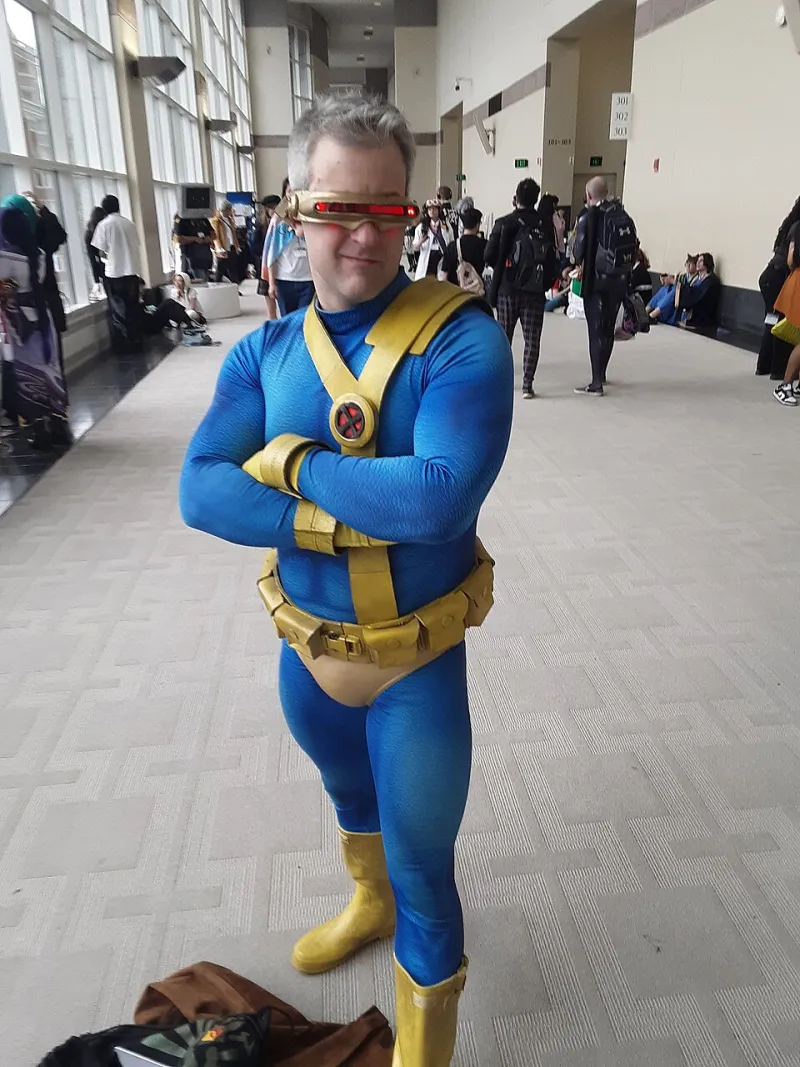
Photo: Abzeronow, CC BY 4.0, via Wikimedia Commons
Every gacha studio dreams of the same thing: a character so popular they print money forever. What nobody plans for is the character becoming popular enough to leave. When a unit starts showing up at conventions, on TikTok, and in group chats between people who have never installed the game — that's escape velocity. And it's a double-edged sword.
Here are seven characters who pulled it off, ranked roughly by how far they've drifted from their home port.
7. Ganyu (Genshin Impact)
The blueprint case. Ganyu's launch banner broke revenue records, but her real legacy is structural: the "overworked office worker who's secretly ancient" archetype became a fandom genre of its own. Half the memes about her — the overtime jokes, the qingxin flower obsession — circulate among people who couldn't name a single Liyue quest. Liyue itself benefits, but the character clearly outranks the context.
6. Rem (Re:Zero — technically gacha-adjacent, fully gacha-coded)
Yes, Rem comes from a light novel and anime first, but her presence in every gacha collab she touches — from mobile RPGs to puzzle games — is so dominant that she routinely becomes the reason US players download a collab title. She's the reference point for what a "collab-breaking" character looks like.
5. Saber (Fate/stay night and the entire Fate machine)
The original escape artist. Saber has been exported into so many Fate spinoffs, mobile titles, and merch lines that asking "which game is Saber from?" is basically a trick question. Fate/GO prints money, but Saber's fame predates it and will outlive it.
4. Hu Tao (Genshin Impact)
A pure design-win case. The funeral parlor director with the mischievous streak generated a cosplay wave that hasn't crested years later — she's a perennial top-ten cosplay at US conventions like Anime Expo and Otakon. A huge share of that visibility comes from people who quit the game long ago. The character kept traveling.
3. 2B (NieR: Automata — the guest-star kingmaker)
2B started in a premium console game, but her gacha guest appearances across multiple mobile titles demonstrated something the industry now openly plans around: a single recognizable design can carry an entire collab event's revenue. Games fight over her cameo slots the way streaming services fight over a hit show.
2. Herta-adjacent icons and the Honkai machine (Seele, Herrscher forms)
HoYoverse built a repeatable escape-velocity pipeline: strong silhouette, iconic palette, then cross-game and cross-media reinforcement. Characters like Seele exist in multiple versions across titles, so the fandom compounds. US players can be fans of a HoYo character without having a main game at all.
1. Hatsune Miku (the patron saint of the phenomenon)
Not from a gacha game, but Miku is the endpoint the whole industry aims at: a character with no canonical story, sustained entirely by design, music, and fan participation, who outlives every platform she appears on. Every gacha studio studying "longevity" is really studying how Miku works.
So What Does Escape Velocity Mean for the Game?
Here's the uncomfortable part. When a character gets this big, the game becomes one revenue stream among many — and sometimes not the biggest. Merch, licensing, and collab fees can eclipse banner income, which changes studio incentives. Why fix the endgame grind when the poster sells itself?
For players, it cuts both ways. Escape-velocity characters get eternal support, reruns, and merch. But games leaning on one or two icons often let the rest of the roster — and the actual gameplay — rot.
The lesson for your pulling strategy: the character will outlive the game. Make sure you actually like playing while you're here.