Capsules, Cranes, and Crates: A US Collector's Field Guide to Real Japanese Gacha Merch
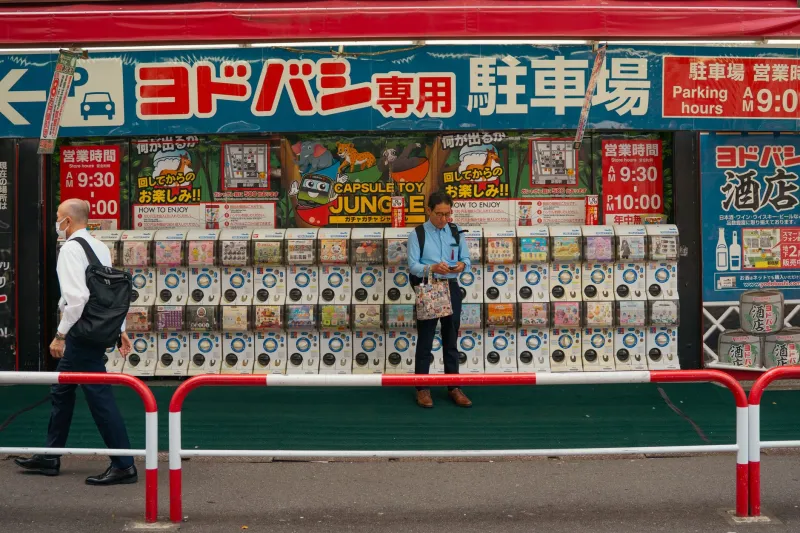
We spend so much time talking about digital pulls — the pity counters, the rate-ups, the 0.6% chances — that we forget gacha started as a physical act. You cranked a knob, a plastic egg dropped, and you ripped it open right there on the sidewalk. That scene is still alive in Japan, and a surprising amount of it is within reach of US collectors. You just need to know where to look, what to pay, and when to walk away.
The Capsule Economy Is Booming, Even Stateside
Gachapon — the trademarked capsule toy machines operated by Bandai's Gashapon department — have exploded past 500,000 machines in Japan, and the good news for American collectors is that the biggest series get international distribution. Bandai Namco has been rolling out official US releases through major retailers, so franchises like Dragon Ball, Pokémon, and Sanrio capsule lines sometimes hit American shelves at $3 to $8 a pop without any import gymnastics.
The catch? US retail gets the curated selection. Japan gets everything, including the weird stuff — the miniature Japanese convenience store shelves, the oddly detailed salaryman figurines, the cat-shaped soy sauce dispensers nobody asked for but everybody needs. That's where importing comes in.
Prize Figures: The Best Value in Physical Collecting
If capsules are the gateway drug, arcade prize figures are the mainline habit. These are the 6-to-10-inch figures you win from crane games in Japanese arcades — brands like SEGA's SPM (Super Premium Figure) line, Banpresto, and Taito's prize divisions. They're technically "not for sale" in Japan, which sounds like a legal wall but really just means they enter the US through distribution partners like Bandai's Banpresto division, which now sells prize-quality figures stateside for $20 to $40.
Here's why prize figures deserve a spot on your shelf: the sculpt quality-to-price ratio is genuinely absurd. A $30 prize figure of a popular anime character can rival a $150 scale figure from a few feet away. The paint apps are simpler and there's no elaborate base, but for casual shelf display, it's the best bang-for-buck in the hobby.
What to buy: figures of characters from currently airing anime. Prize figures are produced in enormous quantities while a show is hot, which keeps prices low.
What to skip: anything from a show that ended more than two years ago, unless you specifically want it for nostalgia. Supply dries up, scalpers move in, and you'll pay double.
Limited-Run Game Merch: Where the Real Money Sits
Now we get to the volatile end of the market. Limited-edition merch tied to gacha games themselves — the acrylic stands, badges, art books, and soundtrack CDs that Japanese publishers drop for titles like Fate/Grand Order, Uma Musume, and the ever-present miHoYo catalog — behaves a lot like the digital gacha economy it comes from. Scarcity is manufactured, hype is seasonal, and value swings hard.
A few patterns we've tracked:
- Event-exclusive merch (collab cafés, anniversary shop runs) appreciates fastest in the first six months, then plateaus. If you're buying to flip, you're already late. If you're buying to keep, waiting a year often gets you a better price on the secondary market.
- Character popularity is destiny. Merch of a franchise's top-tier favorite can triple. Merch of the eleventh-most-popular character in a cast of twenty barely covers shipping. This is the physical version of "yesterday's meta" — the unit everyone pulled for in 2022 is the acrylic stand nobody wants now.
- Sealed beats opened, always. Japanese collectors are meticulous about condition, and US buyers importing through proxy services get graded accordingly.
Import Logistics Without the Headache
Three viable routes, in order of friction:
1. US-based retailers and official distribution. AmiAmi, HobbyLink Japan, and Crunchyroll's store all ship to the States, and Bandai's US arm handles a growing slice of capsule and prize product domestically. Start here.
2. Proxy services. Buyee, ZenMarket, and White Rabbit Express will purchase from Japanese stores, Yahoo Auctions, or Mercari JP and forward to your door. Budget roughly 10 to 20 percent in fees plus actual shipping — and note that a $15 capsule set can easily become $40 after shipping. Consolidate orders or the math never works.
3. Direct from Japan via forwarding address. For the committed. A package forwarding service gives you a Japanese address, and you handle everything. Maximum selection, maximum effort.
One legal note: standard capsule toys, figures, and merch face no meaningful US import restrictions. Skip anything bootleg — the fake prize figure market is real, and eBay is where it goes to find you.
What Holds Value and What Crashes
If you're collecting with one eye on resale, treat it like the gacha market itself: character demand drives everything, and hype decays on a schedule.
Likely to hold or climb: event-exclusive items from franchises with sustained player bases, prize figures of top-popularity characters once production ends, and sealed capsule sets from discontinued series. First-edition art books from landmark games also age well.
Almost certainly to crash: merch from seasonal anime tie-ins, anything tied to a gacha game that's shut down (we've covered the afterlife of dead gacha games before — the merch market follows the same arc), and mass-produced items from currently-hyped franchises. That $60 acrylic stand from launch month? Give it eighteen months.
The healthiest way to play this game is the same way we recommend approaching digital gacha: decide what you actually want on your shelf, set a budget before you start pulling, and treat anything after that as a bonus. The capsule drops whether you're chasing resale value or just want a tiny plastic ramen bowl on your desk. At least this version of the hobby, you always win something.
Roll deep, collect everything — just maybe check the shipping fees first.