From Vending Machines to Vault-Breaking: What Japan Got Right (and Wrong) About Gacha Spending
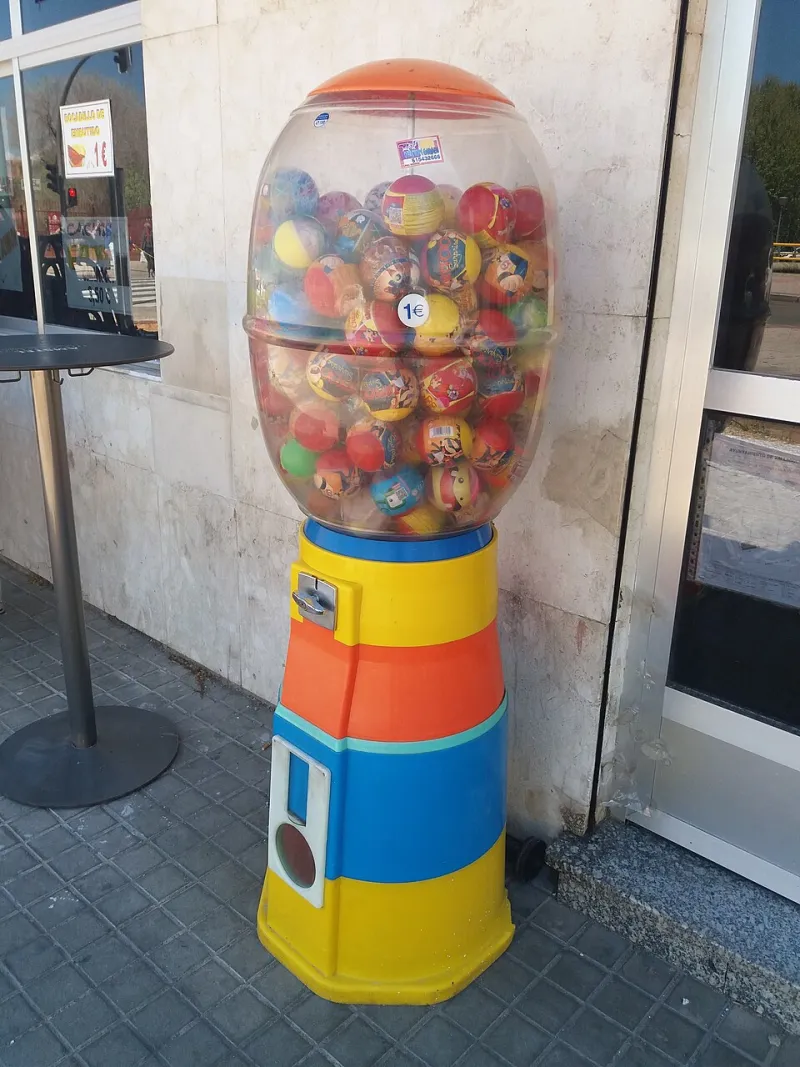
Photo: MiguelAlanCS, CC BY-SA 4.0, via Wikimedia Commons
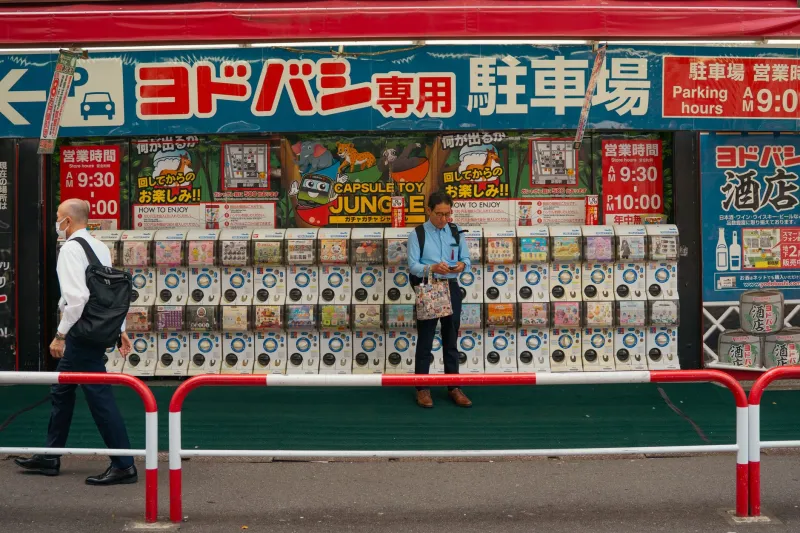
There's a moment every American gacha player knows. You've just dropped $50 on a banner for a character you'll use for maybe three weeks. A little voice asks: is this normal? Meanwhile, in Japan, a salaryman on his commute feeds another 100-yen coin into a gachapon machine — his third capsule of the morning — without a flicker of guilt.
Same mechanic. Wildly different baggage. And the difference says a lot about what we should be asking of the games we play.
The Capsule Came First
Gachapon isn't a mobile gaming invention. It's a physical culture that's been running since the 1960s, when penny vending machines evolved into the capsule dispensers that now crowd every Japanese train station and electronics store. For generations of Japanese kids, the pull was a quarter-equivalent ritual: cheap, tangible, and — crucially — capped. The machine physically cannot take more than a few hundred yen from you in a sitting.
That's the part we forget when we talk about gacha ethics. The original format had a built-in spending ceiling. Your wallet only holds so many coins. The digital version removed that ceiling, then bolted on pity systems, limited banners, and FOMO timers to make sure you'd keep reaching for it anyway.
So when American players beat themselves up over a whale moment, they're comparing their behavior to a format that was designed to be low-stakes — and then wondering why the modern version feels heavier.
Why Whaling Hits Different Overseas
Here's an uncomfortable observation from spending time in both gaming communities: in a lot of Japanese gacha spaces, dropping serious money on a favorite character isn't framed as a problem. It's framed as oshi-katsu — supporting the thing you love. The same impulse that has fans buying multiple copies of an idol's CD (each with a handshake ticket) applies to pulling five copies of a limited unit.
US gaming culture, shaped by loot-box backlash and state-level scrutiny, treats heavy spending as a red flag — sometimes rightly. But the stigma cuts both ways. It makes players hide their spending instead of examining it, and it makes honest conversations about budgets weirdly taboo. Nobody in a Japanese fan community blinks when someone mentions they saved up for a guaranteed banner. In an American Discord, that same confession gets the "seek help" copypasta.
Neither reaction is healthy. One normalizes unlimited spending; the other shames people out of discussing it.
Japan Already Fought This Fight
American players often don't realize that Japan went through its gacha reckoning a full decade before the US loot-box debates kicked off.
The flashpoint was 2012, when kompu gacha — complete-set gacha, where you had to collect a full set of randomly drawn items to get the prize — came under fire after stories surfaced of players, including minors, spending staggering sums. Japan's Consumer Affairs Agency stepped in, and in 2016 the practice was formally banned under anti-unfair-premium legislation.
The industry didn't wait around, either. The Japan Online Game Association published self-regulatory guidelines requiring publishers to disclose pull rates, display odds, and cap spending mechanics. Full odds transparency became standard practice in Japanese mobile games years before it was legally required anywhere else.
The result? Japanese gacha games today are, ironically, among the more honest ones on the market — precisely because they were forced to be. When publishers must print the odds on the banner, the whole economy shifts from "mysterious slot machine" to "known cost per desired outcome."
What US Players Should Demand Next
So what's the American takeaway? We're currently somewhere Japan was in 2012 — aware of the problem, arguing about it, and relying mostly on publisher goodwill. Here's what the Japanese playbook suggests we should be pushing for:
Odds disclosure as a floor, not a ceiling. Apple and Google require listed pull rates, but compliance is often a wall of fine print. Japan's model — odds displayed at the point of purchase, in plain language — is the standard worth copying.
An end to bundled-rate obfuscation. Some publishers list odds for a pool of characters rather than the specific one on the banner. That's the kind of loophole Japanese regulation specifically closed.
Spending caps that players set, not publishers. Japanese industry guidelines introduced spending limit settings aimed at younger users. Voluntary and imperfect, sure — but the infrastructure exists, and US games rarely offer it at all.
Clear end-of-service plans. When a Japanese gacha game shuts down, publishers typically announce it months ahead with refund or compensation frameworks. The American experience of a game vanishing overnight is a consumer-protection gap, not a cultural quirk.
The Honest Version of the Pull
None of this means gacha is evil or that pulling is shameful. The 100-yen capsule has survived sixty years because a small, bounded gamble on a tiny surprise is genuinely fun. The problem was never the mechanic — it's what happens when you strip away the ceiling, hide the odds, and weaponize FOMO.
Japan's culture gave the world the gacha. Its regulators and player communities also gave the world a template for taming it. American players don't need to import the guilt — just the standards.
Roll deep, sure. But demand receipts while you're at it.