Five Years Deep: What Your Oldest Gacha Account Is Really Worth (And Why Japan Gets It)
Ask a typical American gacha player about their account history and you'll hear a familiar story: played hard for six months, quit, came back during an anniversary, rerolled on a new game, repeat. The account is a rental. A vibe. Something you abandon when the meta shifts or a shinier banner drops elsewhere.
Now talk to a veteran Japanese player with a day-one account in Monster Strike or Puzzle & Dragons, and the framing is completely different. The account isn't a transaction — it's a work in progress. Something you tend. Something with history baked into every unit, every skin, every anniversary login streak.
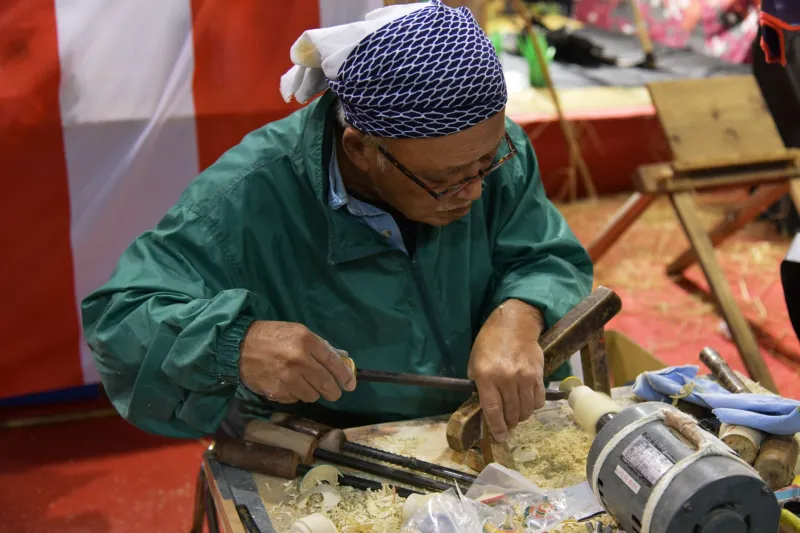
There's a word for that mindset in Japan: shokunin. The craftsman spirit. And once you see it, you can't unsee how much of gacha design — especially retention design — is built to reward it.
The Shokunin Lens: Stewardship Over Accumulation
A shokunin doesn't just make things. They maintain, refine, and pass down. A sushi chef spends years perfecting rice before touching fish. A swordsmith polishes a blade for months. The point isn't speed — it's depth of commitment.
Apply that to a gacha account and the math changes entirely. A day-one player in a game like Granblue Fantasy isn't just sitting on a pile of five-stars. They're sitting on:
- Legacy units that will never return to any banner
- Anniversary weapons and skins that mark years of participation
- Maxed-out progression systems that would take a new player literal years to replicate
- Social capital — guild standing, raid history, community reputation
That last one gets ignored constantly in US discourse, where accounts are treated like slot machine tickets. But in Japanese gacha communities, a veteran's account speaks for them. It's a résumé.
Why Churn-and-Burn Is an American Habit
Let's be honest about why US players reroll and hop so aggressively. We grew up on game-hopping culture — beat it, trade it in, buy the next one. We're trained to think of games as content to consume, not gardens to cultivate.
Gacha games weaponize that impatience. FOMO banners, limited collabs, and power creep are all designed to make you feel behind — and feeling behind makes quitting or restarting feel rational.
But here's the thing veteran players figured out years ago: the account you've nurtured for five years is functionally irreplaceable. No amount of rerolling gets you back the anniversary exclusives, the login milestones, the free limited selectors handed out for loyalty. Publishers know this. It's why anniversary rewards have gotten dramatically more generous — they're not being nice. They're paying you to stay.
How Retention Design Rewards the Patient
Look at the mechanics and the shokunin philosophy is everywhere:
Anniversary login bonuses. Miss a year and you miss the exclusive. These are deliberately not catch-up-able. They exist to mark time.
Veteran-select tickets. Games like Fire Emblem Heroes and Fate/Grand Order increasingly let long-term players pick from curated pools of older units — a perk meaningless to new accounts.
Progression debt. Modern gacha games stack so many systems (gear, relics, talents, bonds) that a fresh account faces years of grinding. The veteran's account is a compounding asset; the reroller is always starting from zero.
Account-level reputation. In Japanese-heavy titles especially, your player ID and history carry weight in co-op and raid communities. A day-one badge opens doors a whale's credit card can't.
The Investment Mindset, Translated for US Players
You don't have to adopt the whole craftsman philosophy to benefit from it. A few practical shifts:
- Treat your main account like a 401(k), not a lottery ticket. Consistent small contributions (dailies, event participation) compound. Panic pulls don't.
- Never delete or abandon an account in anger. Games you quit today may run anniversaries you'll regret missing in three years. Log in monthly, at minimum.
- Track your account's history. Screenshots of anniversaries, milestone pulls, first five-stars. It sounds sentimental, but it builds exactly the attachment that keeps stewardship sustainable — and it matters if you ever sell.
- Budget for anniversaries, not banners. The shokunin approach means saving through the off-season so you can go deep when the game celebrates you.
The Long Game Is the Only Game
There's a reason Japan's longest-running gacha titles — Puzzle & Dragons, Monster Strike, FGO — are also the ones with the deepest veteran cultures. The games are designed, deliberately or not, around the idea that an account is something you keep.
US players are finally catching on. The rise of account valuation, legacy unit discourse, and anniversary-hoarding strategies all point the same direction: the churn era is ending, and the stewardship era is starting.
Your five-star pull is a moment. Your account is a decade. Roll accordingly.